 RichardHayes
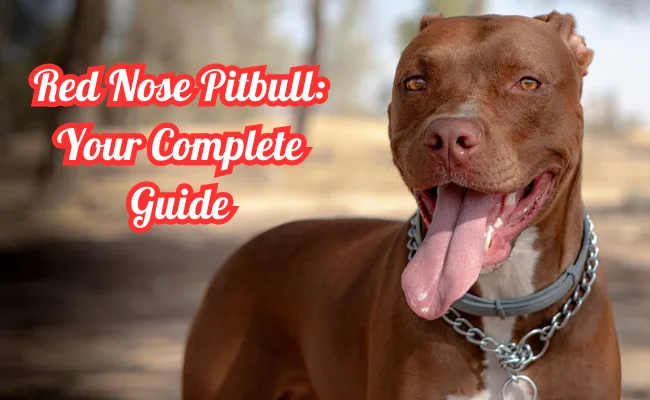
 The Red Nose Pitbull stands out as a medium-sized dog with a unique look and a personality that wins over experienced dog owners. Their red or copper-colored nose matches their warm coat, making them easy to spot. These dogs are loyal, smart, and protective, and they do best in homes where people are ready to meet their needs and care for them the right way.
Key Breed Specifications:
- Height: 17 to 22 inches at the shoulder
- Weight: 30 to 70 pounds (males typically larger than females)
- Lifespan: 12 to 14 years
- Coat Type: Short, smooth, and fine-textured
- Coat Colors: Red, copper, brown-red, sometimes with cream or white patches on the chest
- Nose and Eyes: Red or copper nose (breed trademark); golden or amber eyes
- Group Classification: Terrier Group
- Shedding: Moderate (seasonal shedding twice per year)
- Temperament: Energetic, loyal, loving, confident, protective, affectionate
- Good With Kids: Yes, with proper socialization and supervision
- Good With Other Animals: Variable, requires careful introduction and monitoring.
- Intelligence Level: Above average; quick learners
- Trainability: Fairly easy to train for experienced owners
- Energy Level: High; requires substantial daily exercise
- Barking Tendencies: Average to moderate; typically alert but not excessive
Table of Contents
- Breed Characteristics
- History of the Breed
- Care Requirements
- Health and Safety
- Diet and Nutrition
- Where to Adopt or Buy
- Breed Resources and Further Research
- Is a Red Nose Pitbull Right for You?
Breed Characteristics
If you’re thinking about getting a Red Nose Pitbull, it’s important to know what they’re really like. These dogs can be independent but also very devoted, confident but still affectionate, and protective without being aggressive by nature.
Personality Traits
Fierce Loyalty. Red Nose Pitbulls are extremely loyal to their families. Once they bond with you, they stick by your side and show real affection. They love being close, often choosing to cuddle on the couch after a busy day. Many would rather curl up in your lap than sleep in their own bed.
Confidence and Independence. These dogs are naturally confident and independent. They don’t need you to reassure them all the time, and they like to think for themselves. Because they’re smart, they want to know why you’re asking them to do something, not just follow orders. Many experienced owners enjoy this, since it makes training more interesting.
Protective Instincts. Red Nose Pitbulls are great watchdogs because they’re always alert and will bark if they sense something unusual. They’re naturally cautious around strangers and take their job as family protector seriously. Still, this doesn’t mean they’re aggressive without reason. With good socialization, most will get used to visitors, but they’re not the type to run up and greet everyone they meet.
Energy and Playfulness. These dogs are full of energy and love to play. They do best when they have plenty of chances to run, play, and get exercise every day. If they get bored or don’t get enough activity, they might start chewing things or digging where they shouldn’t.
Affection Levels. Even though they look tough, Red Nose Pitbulls are actually very affectionate. They love to snuggle up with their people and often try to claim your lap as their own. They really enjoy praise and seem happiest when they’re making you happy.
Temperament Test Performance. Temperament Test Performance deserves special mention. According to temperament testing data from the American Temperament Test Society (ATTS), pit bull-type breeds score within the top 20% of all breeds evaluated. The American Pit Bull Terrier specifically scores 87.6%, well above the 83% average for all breeds. This data directly contradicts the misconception that these dogs are inherently aggressive. Rather, they’re statistically more stable and friendly than many popular family breeds.
Prey Drive. It’s important to know that Red Nose Pitbulls often have a strong prey drive because of their background as hunting dogs. They might want to chase cats, rabbits, or squirrels, especially if they haven’t been trained not to. This doesn’t mean they can’t be good family pets, but you’ll need to watch them around smaller animals and keep up with training.
Reactivity Toward Other Dogs. How Red Nose Pitbulls act around other dogs depends a lot on their genetics and how they were raised. Some get along well with other dogs if they’ve been socialized early, but others might show aggression. This isn’t really a fault, just something owners need to be aware of. Early and positive socialization helps a lot.
History of the Breed
Knowing the history of Red Nose Pitbulls helps explain both their strengths and the challenges they deal with now.
Origins in England and Ireland
Origins in England and Ireland. The Red Nose Pitbull’s story begins in 19th-century England, when working-class breeders crossed English Bulldogs with English Terriers. Bulldogs contributed strength and determination; Terriers brought agility and athleticism. The resulting dogs became known as Bull Terriers, and they were used for various purposes, including hunting, farming work, and, unfortunately, in the underground sport of dog fighting.
By the mid-1800s, a specific strain emerged in Ireland known as the Old Family Red Nose (OFRN). These dogs were distinguishable by their distinctive red coloring—a recessive trait that appeared when specific bloodlines were carefully bred. The term “Old Family” referred to the original English line from which they descended, maintained through selective breeding by Irish dog fanciers who valued their working abilities and unique appearance.
Immigration to America
Immigration to America. Around the mid-1900s (though some sources cite the 1800s), Irish immigrants brought these Red Nose bloodlines to the United States. American breeders continued developing the strain, maintaining the breed’s original characteristics while adapting them to American conditions. In 1898, the United Kennel Club officially recognized the breed as the American Pit Bull Terrier, acknowledging its establishment in American dog culture.
From Working Dogs to “Nanny Dogs”
From Working Dogs to “Nanny Dogs.” Initially bred for hunting—particularly for hunting wild boar and other large game requiring strength and courage—Red Nose Pitbulls eventually found a different role. They became beloved family companions, and an interesting historical nickname emerged: the “nanny dog.” This wasn’t an official title, but rather a cultural recognition that these protective, patient dogs seemed particularly watchful and careful around children. Their natural tendency to guard their family extended naturally to the youngest members.
The Unfortunate Darkening of Reputation
The Unfortunate Darkening of Reputation. The breed’s history took a troubling turn due to its use in illegal dogfighting. Their courage, strength, intelligence, and—ironically—their loyalty to owners made them targets for unscrupulous individuals. A dog that won’t turn on its owner in the fighting ring was exactly what criminal breeders were seeking. This dark chapter created the persistent negative stereotypes that plague the breed today, despite having little to do with the breed’s true nature.
Modern Advocacy and Preservation
Modern Advocacy and Preservation. Today, legitimate organizations work tirelessly to preserve the authentic Red Nose Pitbull and correct public perception. Breed clubs, rescue organizations, and responsible breeders are dedicated to educating the public about the true temperament of these dogs while working to stop illegal dogfighting and abuse. The ADBA (American Dog Breeders Association) and UKC maintain breed standards that emphasize health, temperament, and authentic breeding practices.
Care Requirements
Owning a Red Nose Pitbull is a real commitment. You need to understand what they need and make sure your lifestyle fits with theirs.
Exercise Needs
Exercise Needs. Red Nose Pitbulls are very active and need plenty of exercise every day to stay happy and well-behaved. At least 40 to 60 minutes a day is the minimum, but more is even better. Mix up structured activities with free play.
Consider these exercise options:
- Walking: At least two walks daily for 20 to 30 minutes each
- Running: Many Red Nose Pitbulls make excellent jogging companions for active owners
- Fetch and retrieval games: These dogs love chasing and retrieving, satisfying both physical and mental needs
- Swimming: An excellent low-impact activity that builds muscle and provides cooling relief
- Agility training: These intelligent dogs often excel in agility courses and enjoy the mental engagement
- Tug-of-war and interactive play: Structured games provide appropriate outlets for their strength
If Red Nose Pitbulls don’t get enough exercise, they get bored, and that can lead to problems like chewing, digging, or barking too much. They need ways to use up their energy or they might start acting out.
Living Situation
Living Situation. Red Nose Pitbulls adapt to various living situations but have clear preferences:
- Ideal: A home with a securely fenced yard where they can run and play freely
- Acceptable: Apartment living, provided the owner commits to substantial daily exercise outside the home.
- Space needs: While they’re medium-sized, their energy level means they need more space than their size suggests
One important thing: don’t leave these dogs outside alone for long stretches. They want to be with their family, and being left alone too much can make them anxious or destructive.
Separation and Alone Time
Separation and Alone Time. Red Nose Pitbulls don’t handle being alone for long periods. If they’re left by themselves for more than 6 to 8 hours often, they can get separation anxiety. They get very attached to their families and really miss you when you’re gone. The best owners either work from home, have flexible hours, or can get a dog walker or use doggy daycare.
Grooming Needs
Grooming Needs. One of the nice things about this breed is how easy they are to groom. Their short coat doesn’t need much brushing or any trips to a professional groomer.
Grooming tasks:
- Brushing: Brush occasionally (weekly during shedding season) to remove loose fur
- Bathing: Bathe as needed when dirty; they’re not particularly high-maintenance in this department.
- Professional grooming: Optional; a groomer visit 1-2 times yearly for maintenance is fine
- Nail trimming: Regular nail trims prevent discomfort and maintain paw health
- Ear cleaning: Monitor for ear infections, especially if they swim frequently
- Dental care: Brush teeth regularly and provide dental chews; pit bulls can be prone to dental disease
- Shedding management: Expect moderate shedding year-round, with heavier shedding during spring and fall
Training and Socialization
Training and Socialization. Training a Red Nose Pitbull should begin immediately upon arrival in your home and continue throughout their life. These intelligent dogs enjoy learning and respond well to consistent, positive training methods.
Key Training Principles:
- Start early: Puppies should begin basic obedience training as soon as they’re home (8-12 weeks old)
- Positive reinforcement: These dogs respond enthusiastically to treats, praise, and play rewards
- Consistency: Everyone in the household should use the same commands and enforce the same rules
- Short sessions: Keep training sessions to 10-15 minutes; these dogs can get bored with repetition
- Avoid physical punishment: Harsh corrections aren’t necessary and can damage your relationship with your dog.
Important Training Areas:
- Obedience basics: Sit, stay, down, come, leave it, and drop it
- Socialization with people: Expose puppies and young adults to various people, including children, elderly individuals, and people of different appearances
- Controlled dog introductions: If you want a multi-dog household, carefully introduce your Red Nose Pitbull to compatible dogs
- Leash manners: Teach loose-leash walking to prevent pulling and ensure safe public outings
- Impulse control: Practice “wait,” “leave it,” and “drop it” to manage food aggression and prey drive.
- Recall reliability: A solid “come” command is essential for safe off-leash play
Professional Training Considerations
Professional Training Considerations. Many owners benefit from hiring a professional trainer, especially first-time Pitbull owners. A trainer can:
- Provide guidance on breed-specific behavior management.
- Help with socialization protocols.
- Address any developing behavioral issues early.
- Teach owners how to communicate effectively with their dog.
- Provide support for managing prey drive and dog reactivity.
Health and Safety
Red Nose Pitbulls are usually healthy, but there are some health issues you should watch out for as an owner.
Common Health Issues
Allergies and Skin Conditions. Allergies and Skin Conditions represent perhaps the most common health complaint in the breed. Red Nose Pitbulls are prone to environmental allergies (pollen, grass, dust) and food allergies (often grain or wheat-based). Signs include excessive itching, licking, hot spots, hair loss, and inflamed skin. If you notice persistent scratching, skin redness, or odor, schedule a veterinary appointment promptly.
Joint and Bone Issues. Joint and Bone Issues can affect these athletic dogs, including:
- Hip Dysplasia: An inherited condition where the hip joint develops abnormally, leading to pain and arthritis over time
- Cranial Cruciate Ligament (CCL) Injuries: Torn or damaged ligaments in the knee, often resulting from sudden movements or intense activity. Signs include limping, pain, or reluctance to exercise.
- General Joint Pain: Developing arthritis or inflammation in joints
Eye Diseases. Eye Diseases can develop in Red Nose Pitbulls, including cataracts. Regular eye checks help catch problems early before vision loss occurs.
Thyroid Disease. Thyroid Disease, particularly hypothyroidism (underactive thyroid), can develop, leading to weight gain, skin problems, lethargy, and behavioral changes. Blood tests diagnose this condition; treatment involves daily medication.
Gastric Dilatation-Volvulus (GDV). Gastric Dilatation-Volvulus (GDV), also called “bloat,” is a serious, potentially fatal condition where the stomach fills with gas and may twist. While not as common in pit bulls as in deep-chested breeds, it can still occur. Signs include abdominal distension, excessive drooling, anxiety, and unproductive vomiting. This is a veterinary emergency.
Dental Disease. Dental Disease is common in these powerful-jawed dogs and includes tartar buildup, gum disease, and tooth fractures. Untreated dental disease can lead to pain, tooth loss, and infections affecting the heart, liver, and kidneys.
Cancer. Cancer becomes more common as Red Nose Pitbulls age, as with many dog breeds. Types include mast cell tumors, lymphoma, and soft tissue sarcomas. Early detection improves treatment options.
Preventive Care Strategy
Preventive Care Strategy. Protect your Red Nose Pitbull’s health through:
- Regular veterinary visits: Annual wellness exams for young adults, semi-annual exams for seniors (age 7+)
- Vaccinations: Keep current on all recommended vaccines
- Parasite prevention: Regular flea, tick, and heartworm prevention
- Dental care: Brush teeth regularly, provide dental chews, and schedule professional cleanings as recommended
- Weight management: Maintain ideal body condition; overweight dogs develop more health problems
- Exercise and activity: Appropriate exercise keeps joints mobile and maintains muscle mass that supports joints
- Health screening: Ask breeders about health testing for hip dysplasia (OFA or PennHIP) and other genetic conditions
- Quality nutrition: Feed a high-quality diet with appropriate protein and balanced nutrients
Safety Considerations
Safety Considerations. Beyond health, Red Nose Pitbulls require attention to safety:
- Secure fencing: If your dog has yard access, ensure fencing is secure and at least 5-6 feet high
- Leash training: Always use a properly fitted leash and harness in public
- Microchipping: Ensure your dog is microchipped and registered
- ID tags: Keep current ID and microchip information updated
- Breed-specific legislation: Check your local laws; some areas have restrictions on pit bull-type breeds
- Liability insurance: Consider pet liability insurance, given the breed’s reputation
- Supervision with children: Always supervise interactions between dogs and young children
- Supervision with other pets: Monitor interactions with smaller animals and other dogs
Diet and Nutrition
Feeding your Red Nose Pitbull the right way keeps them healthy, helps them keep their muscle, and gives them the energy they need for their active life.
Caloric Needs
Caloric Needs. An adult Red Nose Pitbull’s daily caloric requirements depend on several factors, including age, activity level, metabolism, and whether the dog is spayed or neutered. General guidelines:
- Moderately active adult (45-60 pounds): 1,100 to 1,400 calories daily
- Very active adult: Can require up to 1,700+ calories daily
- Sedentary or older adult: Approximately 895-1,100 calories daily
- Puppies (over 4 months): 50-70 calories per pound of body weight; a 20-pound puppy would need approximately 1,000-1,400 calories daily
These numbers are just a starting point. Keep an eye on your dog’s weight and shape, and change how much you feed them if they’re gaining or losing too much.
Portion Guidelines
Portion Guidelines. The breed guide reference recommends 1.5 to 2 cups of high-quality wet or dry food daily, though this varies based on individual dogs and the caloric density of your chosen food. Split meals into two feedings to aid digestion and reduce bloat risk.
Quality Nutritional Requirements
Quality Nutritional Requirements. Look for dog foods that provide:
- High-quality protein: Red Nose Pitbulls need sufficient protein (typically 18% minimum for adults, higher for puppies) to support their muscular build and active lifestyle
- Balanced fats: Appropriate fat content supports skin and coat health
- Essential amino acids: Especially important for muscle development and maintenance
- Limited grains: Many of these dogs are sensitive to grain-based foods; grain-free or limited-grain options often work well
- Balanced minerals: Appropriate calcium and phosphorus ratios support bone and joint health
- Probiotics and digestive enzymes: These support gut health
Special Dietary Considerations
Special Dietary Considerations. Consider these factors when planning your dog’s nutrition:
- Allergy-prone dogs: If your dog shows signs of food allergies, work with your veterinarian to identify triggers. Common culprits include wheat, corn, chicken, and beef.
- Weight management: Red Nose Pitbulls can become overweight, leading to joint stress and other health problems. Monitor portions carefully and measure treats into daily caloric limits.
- Senior dogs: As dogs age, their metabolism slows. Adjust portions downward and consider senior formulas with added joint support.
- Avoid toxic foods: Keep chocolate, grapes/raisins, onions, xylitol, and other toxic foods away from your dog.
Treat Management
Treat Management. Treats should comprise no more than 10% of daily calories. This means a dog eating 1,200 calories daily should get no more than 120 calories from treats. Use healthy options like:
- Small pieces of plain chicken or turkey
- Carrots (dogs love to chew them)
- Apple slices (remove seeds)
- Low-calorie dog training treats
- Plain pumpkin (good for digestion)
Try not to give too many table scraps or high-calorie treats from the store.
Where to Adopt or Buy
Choosing where to get your Red Nose Pitbull is important for both the dog’s well-being and the future of the breed.
Rescue Organizations
Rescue Organizations. Many dedicated pit bull rescue organizations exist specifically to help dogs of this type find loving homes. These organizations are excellent sources because:
- Dogs have been assessed for temperament and behavior.
- Dogs receive veterinary care and often training before adoption.
- Organizations continue to support adopters after placement.
- You’re directly helping a dog in need.
- Adoption typically costs less than purchasing from a breeder.
Notable pit bull rescue organizations include:
- Adopt A Pit Rescue: A foster home-based rescue founded in 2013 that has rehomed over 5,000 dogs.
- PittieLove Rescue: A Massachusetts-based all-volunteer foster rescue established in 2006
- Three Little Pitties Rescue: A Texas rescue accepting dogs with special needs, including medical conditions
- Dogs Are Deserving Rescue: A Chicago-area rescue focusing on dogs at risk of euthanasia.
Local animal shelters and breed-specific rescues in your area likely have dogs needing homes.
Ethical Breeding Considerations
Ethical Breeding Considerations. If you choose to work with a breeder, ethical breeding practices are non-negotiable. Responsible breeders:
- Health test breeding dogs: Both parents should be tested for genetic health conditions like hip dysplasia, and the results should be available to review
- Know detailed pedigrees: They can tell you the health and temperament history of multiple generations.
- Breed for temperament and health, not appearance: This means they’re not primarily focused on specific color variations
- Don’t constantly have puppies available: Frequent litters suggest a breeding-for-profit operation rather than a responsible breeder.
- Microchip all puppies: Puppies should be microchipped before going home
- Provide contracts: These protect both the dog and the owner.
- Take dogs back: A responsible breeder will take a dog back at any point in the dog’s life if circumstances change.
- Allow home visits: They want to see where their puppies will live.
- Provide references: They can provide contact information from previous puppy buyers.
Red Flags in Breeding Operations
Red Flags in Breeding Operations. Avoid breeders who:
- Won’t provide health testing results
- Pressure you to buy quickly.
- Have multiple litters continuously available
- Don’t ask you questions about your lifestyle and home.
- Sell puppies before 8 weeks of age.
- Won’t provide a contract
- Can’t tell you about the parents’ temperament or health
- Breed exclusively for color.
The “Adopt Don’t Shop” Reality
The “Adopt Don’t Shop” Reality. Shelters and rescues are overflowing with red-nose and pit bull-type dogs needing homes. The argument for adoption is compelling: you’ll help a dog that genuinely needs a second chance, often at a lower cost than purchasing from a breeder. Even if you prefer specific characteristics, rescue organizations have pups to adults available, including red nose bloodlines.
Breed Resources and Further Research
Learning more about Red Nose Pitbulls from reputable sources strengthens your knowledge and connects you with the broader community.
Breed Clubs and Organizations
Breed Clubs and Organizations. Connect with these reputable organizations:
- UKC (United Kennel Club): Maintains the official breed standard for the American Pit Bull Terrier and holds conformation and performance events
- ADBA (American Dog Breeders Association): Focuses on preserving the working abilities and true temperament of pit bull terriers
- Animal Farm Foundation: Works on canine genetics education and advocacy
- Pit Bull Hero: Provides temperament testing data and research on pit bull behavior
Finding a Good Veterinarian
Finding a Good Veterinarian. Choose a veterinarian with experience with pit bull-type breeds and strong knowledge of:
- Breed-specific health concerns
- Appropriate exercise and conditioning for athletic dogs
- Behavior and training guidance
- Allergy management
- Preventive care specific to the breed
Training Resources
Training Resources. Seek out these valuable options:
- Professional trainers who use positive reinforcement methods
- Dog training classes focused on obedience and socialization.
- Behavioral consultants experienced with potentially dog-reactive dogs.
Community Connection
Community Connection. Connecting with other Red Nose Pitbull owners provides:
- Real-world advice and recommendations
- Support when navigating breed-specific challenges
- Opportunities for socialization with other dogs
- Inspiration and motivation for training and care
Is a Red Nose Pitbull Right for You?
Is a Red Nose Pitbull Right for You? Red Nose Pitbulls are loyal, smart, loving, and have a lot of personality. But they’re not the best fit for every home. They do best with owners who have experience and can give them what they need.
- Can commit to 1-2+ hours of daily exercise and mental stimulation
- Understand the breed’s history and can educate others.
- Have the emotional resilience to handle societal prejudice and breed-specific legislation
- Are prepared for training and socialization requirements
- Can provide adequate supervision around children and other pets
- Have stable living situations where the dog won’t experience extensive isolation.
- Understand and accept that their dog may display dog-aggression and can manage it responsibly.
With the right owner, Red Nose Pitbulls become loyal family members and great friends. They can help change minds about the breed, showing how loving and smart they really are. For people who understand them, these dogs are more than just pets—they’re a special connection to a kind and brave breed that deserves a chance.